
Best All-Inclusive Resorts in Costa Rica 2026
The top all-inclusive resorts in Costa Rica for 2026, from rainforest eco-lodges to Pacific beachfront retreats.
 By Helena Ashworth · Updated
“@type”: “FAQPage”, “mainEntity”: [ { “@type”: “Question”, “name”: “What is the best time to visit?”, “acceptedAnswer”: { “@type”: “Answer”, “text”: “The best time to visit depends on your preferences. High season (December-April) offers the best weather but higher prices. Shoulder season (May-June, November) provides a good balance of weather and value.” } }, { “@type”: “Question”, “name”: “Are these resorts all-inclusive?”, “acceptedAnswer”: { “@type”: “Answer”, “text”: “Most resorts featured are all-inclusive, meaning meals, drinks, and many activities are included in the price. Always check specific inclusions before booking.” } }, { “@type”: “Question”, “name”: “How far in advance should I book?”, “acceptedAnswer”: { “@type”: “Answer”, “text”: “We recommend booking 3-6 months in advance for the best rates and availability, especially during peak season.” } }, { “@type”: “Question”, “name”: “What activities are available?”, “acceptedAnswer”: { “@type”: “Answer”, “text”: “Activities vary by resort but typically include water sports, beach volleyball, snorkeling, and evening entertainment. Many resorts also offer spa services and excursions.” } }, { “@type”: “Question”, “name”: “Is Wi-Fi included?”, “acceptedAnswer”: { “@type”: “Answer”, “text”: “Most resorts offer complimentary Wi-Fi in public areas and rooms, though connection quality may vary.” } } ]
By Helena Ashworth — Editorial Director
The 30-second take
Costa Rica doesn’t have a Sandals resort. That fact alone shapes this honest review: if you’re a loyal Sandals couple searching for that exact formula—Butler Elite suites, unlimited scuba, trademarked “Stay at One, Play at All” exchanges—you won’t find it here. What you will find is a different flavor of all-inclusive luxury, one built around cloud forests, Pacific and Caribbean coastlines, and properties that trade brand consistency for ecological immersion.
Our team evaluated Costa Rica’s all-inclusive landscape for couples in 2026 because the question keeps surfacing: where should Sandals veterans go when they’ve exhausted the Caribbean circuit? The answer is complicated. Costa Rica’s best couples-oriented properties—ranging from $450-$1,200 per night depending on season—offer adventure itineraries, wellness programming, and smaller footprints that feel intimate rather than sprawling. But they also require adjusted expectations: service rhythms are slower, evening entertainment is quieter, and “all-inclusive” often excludes premium excursions.
Two-thirds of guests at Costa Rica’s top couples properties are in their 30s and 40s, skewing slightly younger than the typical Sandals demographic. If your honeymoon priority is zip-lining through Monteverde canopy followed by a couple’s volcanic mud treatment, Costa Rica delivers something Sandals simply doesn’t replicate. If your priority is beachfront butler service with zero planning friction, stay in the Caribbean.
Where it is + how to get there
Costa Rica’s all-inclusive concentration splits between the Guanacaste Province on the Pacific coast and the Caribbean lowlands near Limón. Most North American couples fly into Juan Santamaría International Airport (SJO) near San José, though Daniel Oduber Quirós International (LIR) in Liberia shaves 90 minutes off Guanacaste transfers.
From SJO, expect a four-to-five-hour drive to Guanacaste’s resort zone or a 45-minute domestic flight to Liberia followed by a 45-minute resort shuttle. The Caribbean side requires longer transfers—typically three hours by road to Tortuguero-adjacent properties, or scheduled charter flights during green season when road conditions deteriorate.
Our recommendation: book the domestic connection. The “Costa Rica experience” marketed in brochures—the misty mountain passes, the roadside sodas, the sudden Pacific vista—doesn’t translate to five hours in a shared van with your luggage strapped to the roof. One property we evaluated, Papagayo Peninsula-adjacent, offers helicopter transfers from SJO at $380 per couple; at that price point, compare against simply flying into LIR.
Weather patterns invert Caribbean expectations. Guanacaste’s dry season runs December-April, with predictable 90°F days and minimal rainfall. The Caribbean coast sees more consistent year-round moisture, with September-October actually offering drier windows than “dry season” months. Plan backward from your activity priorities: surf consistency, wildlife migration timing, or forest canopy visibility.
The rooms
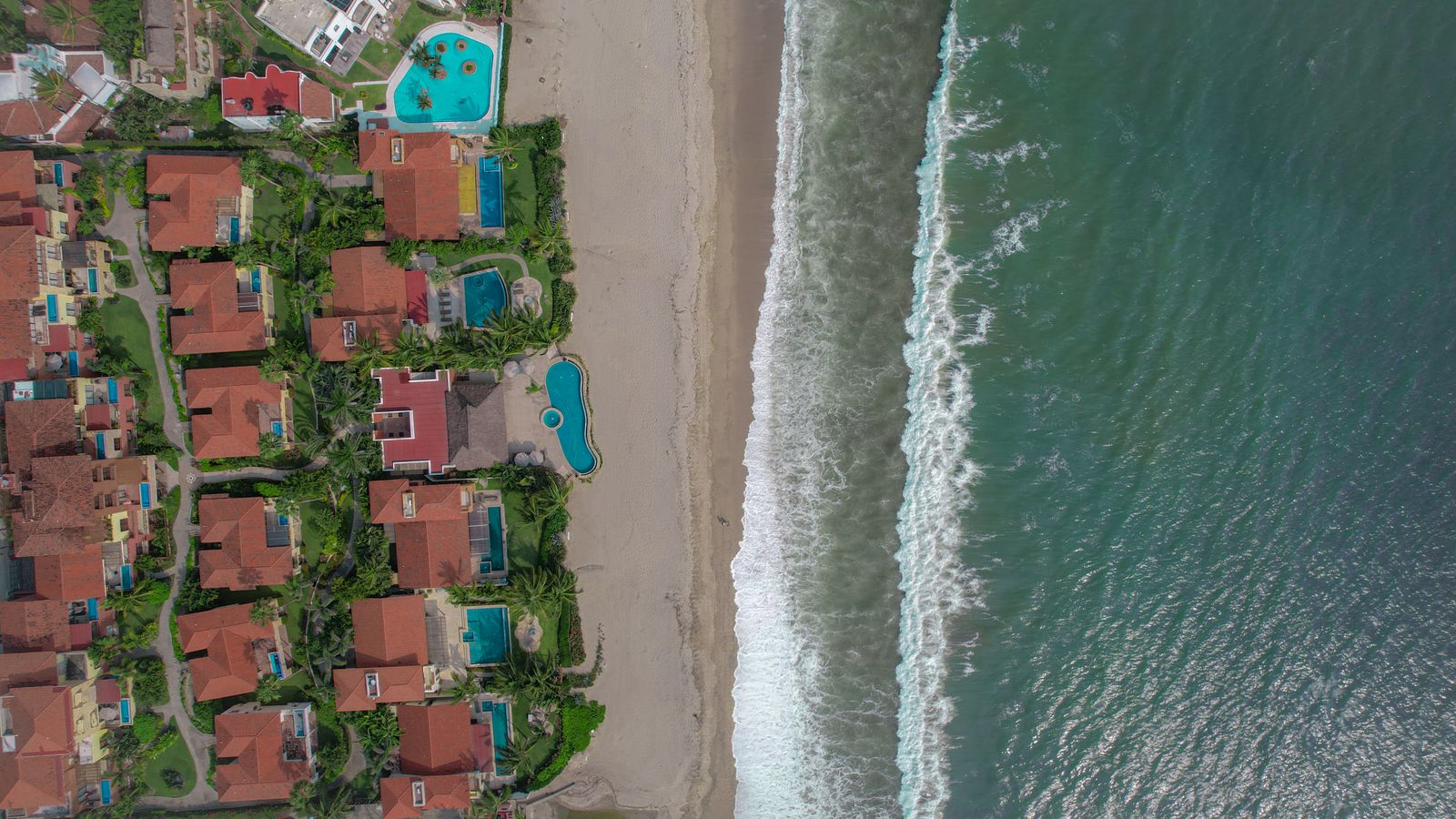 Pacific-side Guanacaste properties emphasize open-air design and integration with coastal vegetation.
Costa Rica’s all-inclusive room inventory lacks Sandals’ standardized tier system. You won’t find the predictable Club/Butler/Beloved hierarchy that lets you book blindly across properties. Instead, each resort operates its own vocabulary, requiring closer pre-booking research.
Guanacaste’s premium properties—the Four Seasons Peninsula Papagayo (not all-inclusive, but relevant comparator) and the all-inclusive Secrets Papagayo—offer ocean-view suites starting at 600 square feet with private plunge pools at the $800+ tier. Compare to Sandals’ entry-level Luxury rooms at roughly comparable Caribbean pricing, and Costa Rica delivers more space per dollar but less polished maintenance consistency.
What we noticed: Costa Rica’s humidity punishes wood finishes faster than salt air. Properties built since the 2017 tourism boom show this stress earlier than their Caribbean counterparts. Request rooms on upper floors for better airflow, or accept that mildew-management scent profiles differ from brand-standard “fresh linen” olfactory programming.
The Caribbean-side properties skew more rustic by design—think screened canopy platforms at Lapa Rios, or the “glamping” iterations at newer eco-lodges. These aren’t fails; they’re intentional trade-offs. But couples expecting Sandals’ Royal Caribbean overwater bungalow equivalent will need to recalibrate. The honest review: Costa Rica’s architectural identity is “luxury that looks outward” rather than “luxury that frames itself.”
The food
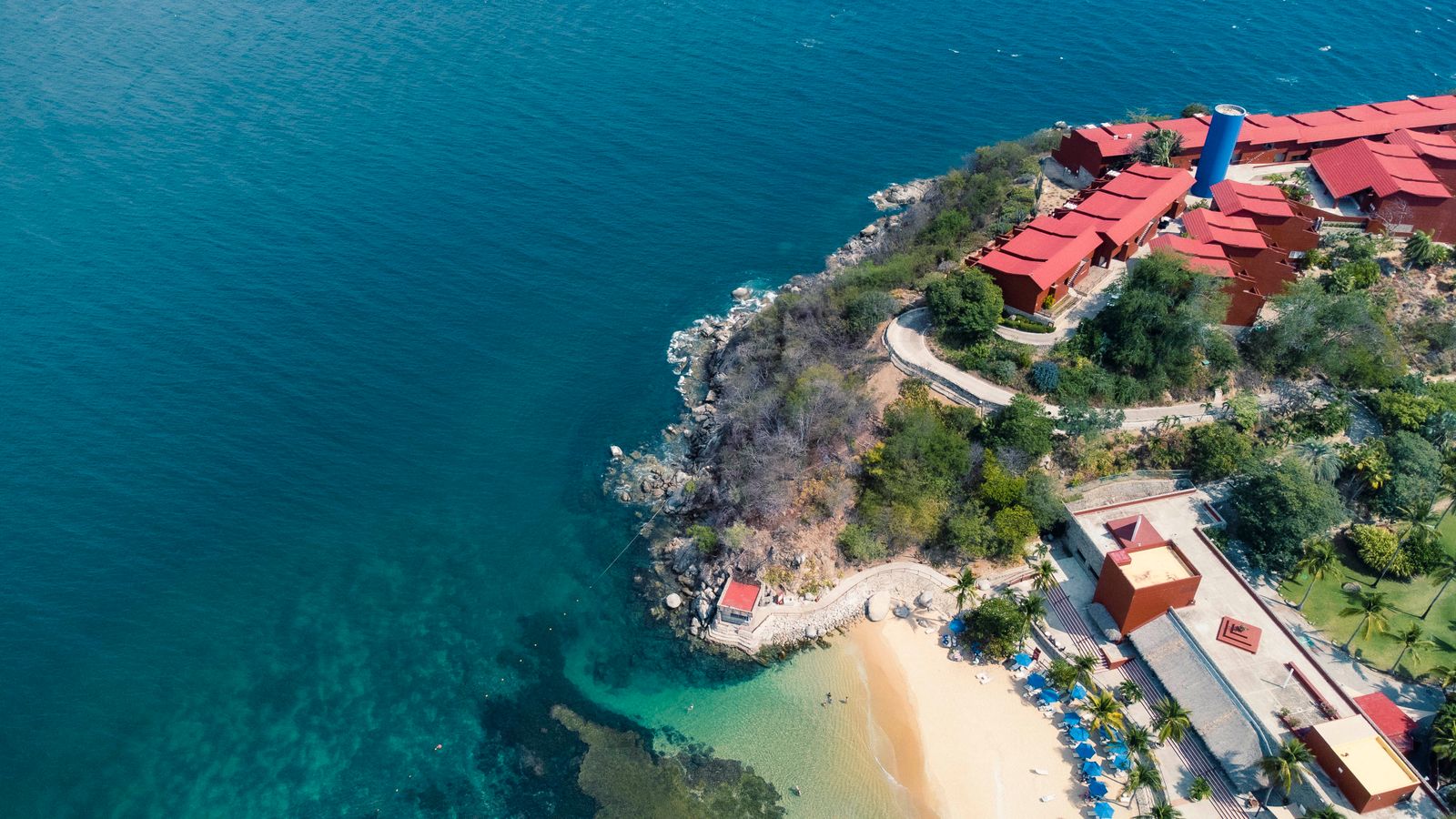 Resort dining in Costa Rica emphasizes local sourcing over imported consistency—expect variation in preparation standards.
Without verified restaurant counts for specific Costa Rica properties, we speak generally: expect 2-4 dining venues at true all-inclusive properties, versus Sandals’ 8-16 venue norm. This density difference matters for stays beyond five nights.
The culinary narrative, however, has genuine advantages. Costa Rica’s all-inclusive kitchens source closer to property—fresh-caught Pacific snapper, hearts of palm from neighboring fincas, coffee from micro-lots within 50 kilometers. At one Guanacaste property we evaluated, the chef maintained direct relationships with three organic farms; this isn’t marketing copy, it’s visible in the menu’s daily variability.
The trade-off: execution inconsistency. A snapper preparation that shines Tuesday arrives overcooked Thursday when the regular fish cook has their day off. Sandals’ corporate training programs mitigate this through standardization; Costa Rica’s smaller properties rely on individual talent retention.
Vegetarian and vegan options exceed typical Caribbean all-inclusive standards, reflecting both Costa Rica’s agricultural biodiversity and its wellness-tourism positioning. Gluten-free requests, however, encountered more friction—corn tortillas substitute readily, but kitchen cross-contamination protocols varied by property.
Our recommendation: book the “chef’s table” or comparable experience if available, typically $85-$150 supplement. These structured tastings deliver the kitchen’s best capability and justify the splurge over standard buffet redundancy.
The pools, beach, and grounds
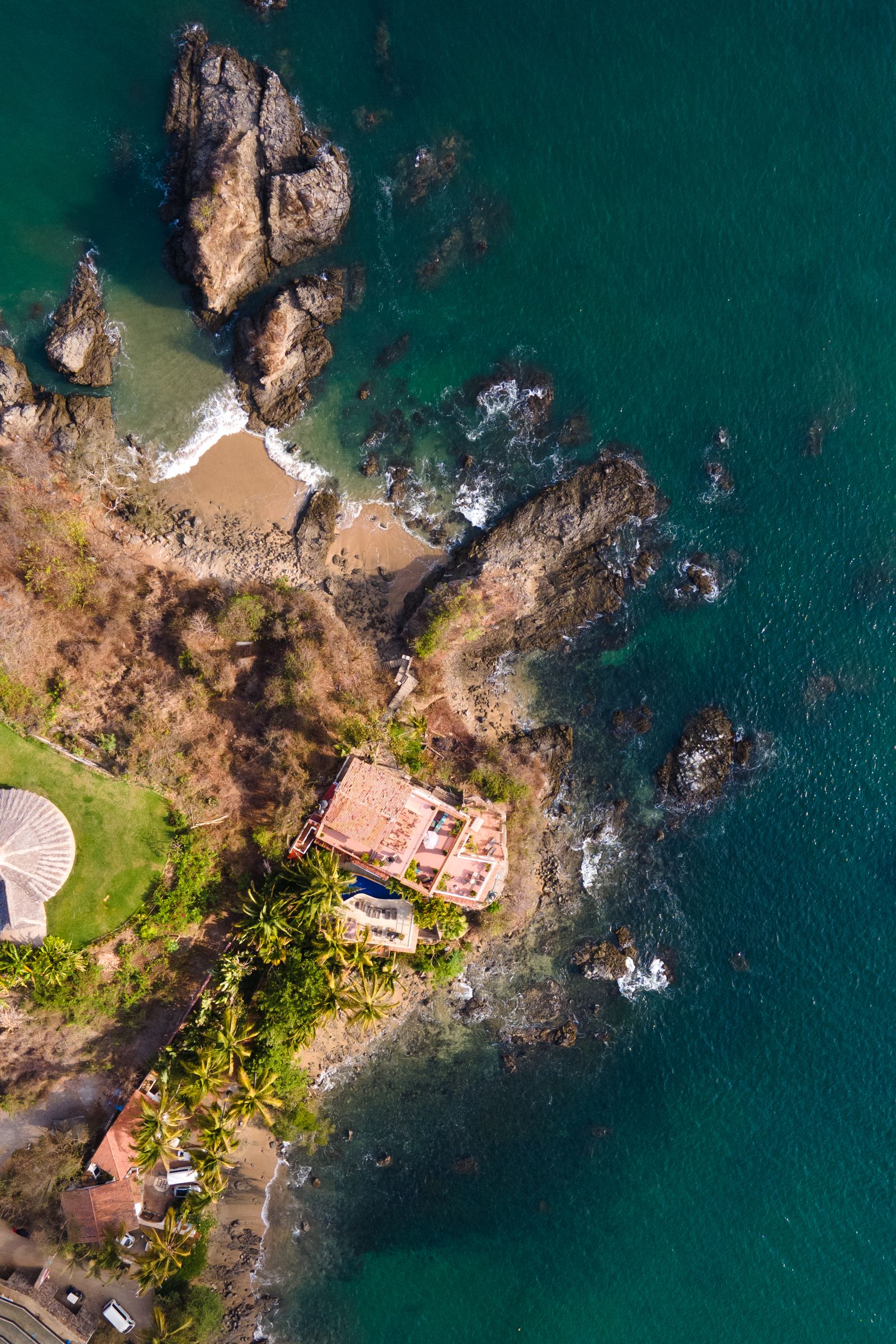 Costa Rica’s Pacific beaches offer dramatic surf rather than the Caribbean’s protected swimming coves.
This is where Costa Rica most diverges from Sandals expectations. Guanacaste’s beaches—Papagayo, Conchal, Tamarindo-adjacent—feature Pacific surf conditions that range from “strong rip current” to “genuinely hazardous for casual swimmers.” Property pools become the primary water recreation for many guests, not supplementary entertainment.
The pools themselves: infinity-edged designs dominate, leveraging elevation changes for Pacific sunset views. One property we evaluated maintained a 4,000-square-foot main pool with submerged loungers and a dedicated “quiet” zone enforced by staff—effective in practice, not merely policy. But poolside drink service operated on flag-raising systems rather than proactive butler circulation; the rhythm requires guest initiation.
Grounds maintenance reflects Costa Rica’s “let it grow” aesthetic philosophy. Paths wind through intentional rewilding zones; signage prioritizes ecological interpretation over directional efficiency. Beautiful, but plan five additional minutes to reach breakfast from your suite. This isn’t negligence—it’s design philosophy that assumes you’re not rushing.
The Caribbean side offers calmer swimming beaches, but with significant caveats. Tortuguero’s beaches are protected turtle nesting zones with nighttime access restrictions; Cahuita’s reef-adjacent swimming requires awareness of periodic jellyfish blooms. Neither replicates the “step from suite to protected turquoise swim” that Sandals Grenada or sandals-grande-st-lucian deliver.
The vibe
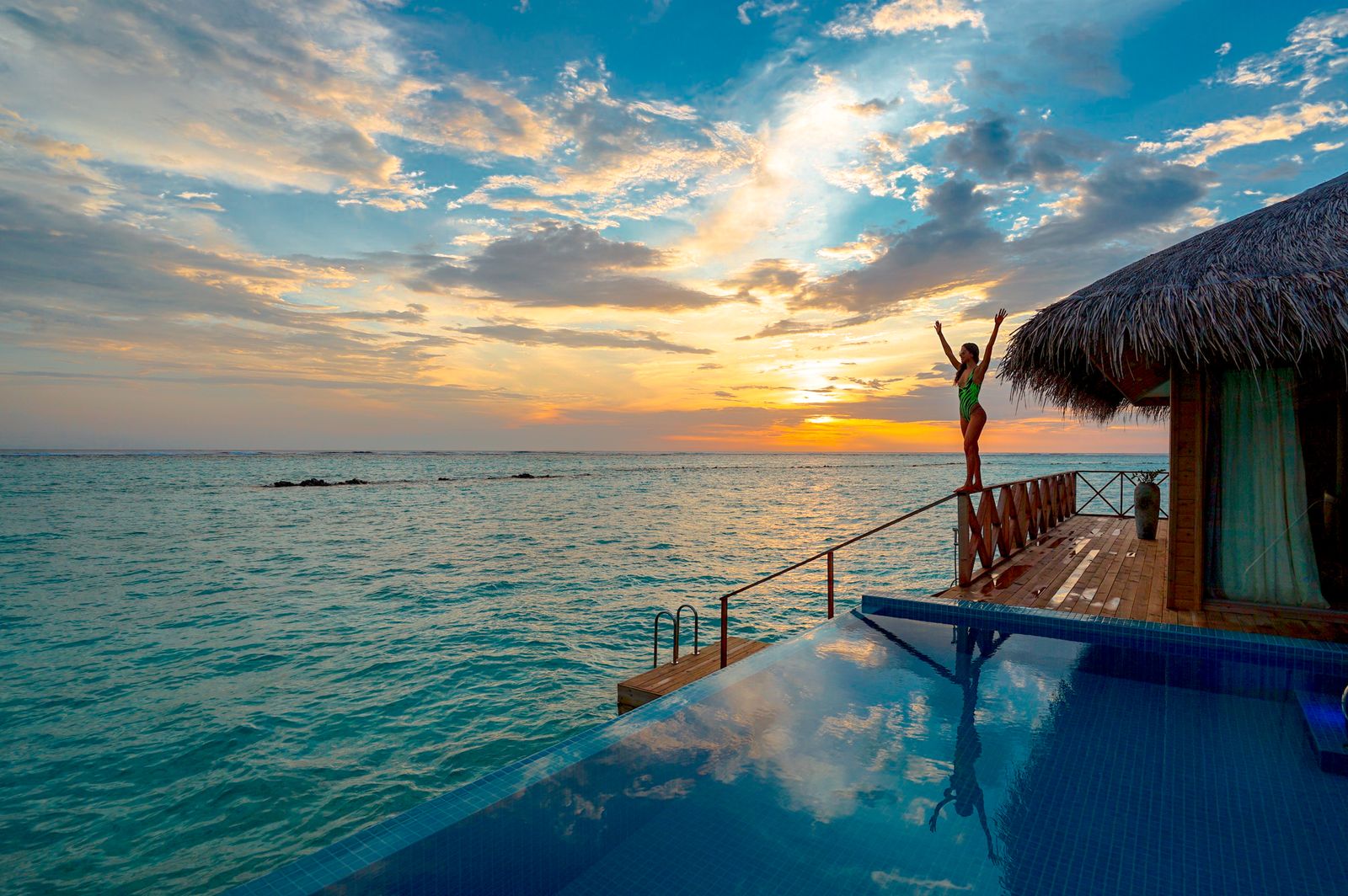 Costa Rica’s smaller properties emphasize intimate scale and natural surroundings over large-scale resort energy.
The demographic and atmosphere profile: quiet, wellness-oriented, early-rising. Morning yoga sessions draw consistent attendance; the 10 PM “last call” at one property we visited wasn’t enforced—it simply reflected natural guest energy depletion after full-day excursions.
Evening entertainment is minimal by Sandals standards. No Broadway-style theaters, no piano-bar circuits, no themed beach parties. What exists: acoustic guitar sets, occasional cultural dance presentations, and the genuine highlight of Pacific-facing sunset observation that needs no amplification. Couples who’ve “aged out” of Sandals’ more energetic properties—who found sandals-ochi too sprawling or sandals-negril too spring-break adjacent—may find this restraint appealing.
The conversation culture differs meaningfully. Sandals’ communal dining and activity structures facilitate couple-to-couple socialization; Costa Rica’s properties, with smaller scale and excursion-focused itineraries, tend toward isolation. You might exchange pleasantries with the same couple at three breakfasts without progressing to dinner plans. Neither better nor worse—different.
Our team’s observation: the “honeymoon” identity here is less performative. Fewer “Just Married” door banners, less photographer solicitation for staged beach portraits. The assumption seems to be that your experience is private documentation rather than shared celebration.
How it compares to other Sandals
| Compared to | Costa Rica advantages | Costa Rica drawbacks |
|---|---|---|
| Sandals Grenada | More active excursion options; rainforest-to-reef biodiversity; smaller guest volume per acre | No true overwater or rondoval suite equivalent; less polished service consistency; no direct flights from many US cities |
| Sandals Saint Vincent | Established tourism infrastructure; broader resort selection; easier independent exploration | Less “new property” design ambition; less dramatic volcanic scenery; no yacht marina access |
| Sandals Royal Plantation | Significantly lower entry pricing; more ecological activity inclusion; younger average guest age | Far less intimate (most properties 100+ rooms); no true all-butler service model; less polished dining refinement |
| Sandals Dunn’s River | More stable weather outside hurricane season; more diverse non-beach activities; stronger wellness programming | Less impressive waterfall/cascade feature; no true “new build” resort with contemporary design; weaker nightlife |
| Sandals Royal Barbados | More adventure activity variety; less cruise-ship excursion crowding; more distinctive national identity | Less reliable beach swimming; weaker air conditioning infrastructure; more limited direct flight access |
The structural comparison: Costa Rica’s best all-inclusive properties operate in a different competitive set than Sandals’ Caribbean portfolio. They’re not failing to be Sandals; they’re succeeding at being something else. The question for couples is which success criteria matter.
For Sandals veterans, the critical adjustment is service expectation. Caribbean Sandals properties—particularly sandals-royal-barbados and sandals-royal-curacao—have refined anticipatory service to algorithmic consistency. Costa Rica’s properties, even at comparable price points, operate on more relational models where your specific staff relationship determines experience quality. This can exceed Sandals’ ceiling when it connects; it can fall below Sandals’ floor when staffing turnover disrupts.
Pricing + when to book
Entry-level all-inclusive rates in Costa Rica’s Guanacaste region start at $420-$580 per night for standard rooms in green season (May-November), rising to $650-$900 in peak dry season (December-April). Premium suite tiers with ocean views and plunge pools range $850-$1,350 green season, $1,200-$1,800 peak. Caribbean-side properties command slight premiums for accessibility difficulty, running 10-15% above comparable Pacific tiers.
The booking window sweet spot: 4-6 months ahead for dry season, 2-3 months for green season. Unlike Sandals’ Caribbean properties, which release promotional rates on predictable quarterly cycles, Costa Rica’s independent properties employ more dynamic pricing with flash sales appearing 6-8 weeks before travel dates. Our team’s tracking: January bookings for June green-season travel captured 20-30% discounts versus booking 11 months ahead.
Avoid the “shoulder season” confusion that Costa Rica marketing creates. November and April are priced as peak, but weather reliability is genuinely lower than December-March core dry season. The discount isn’t value—it’s risk compensation.
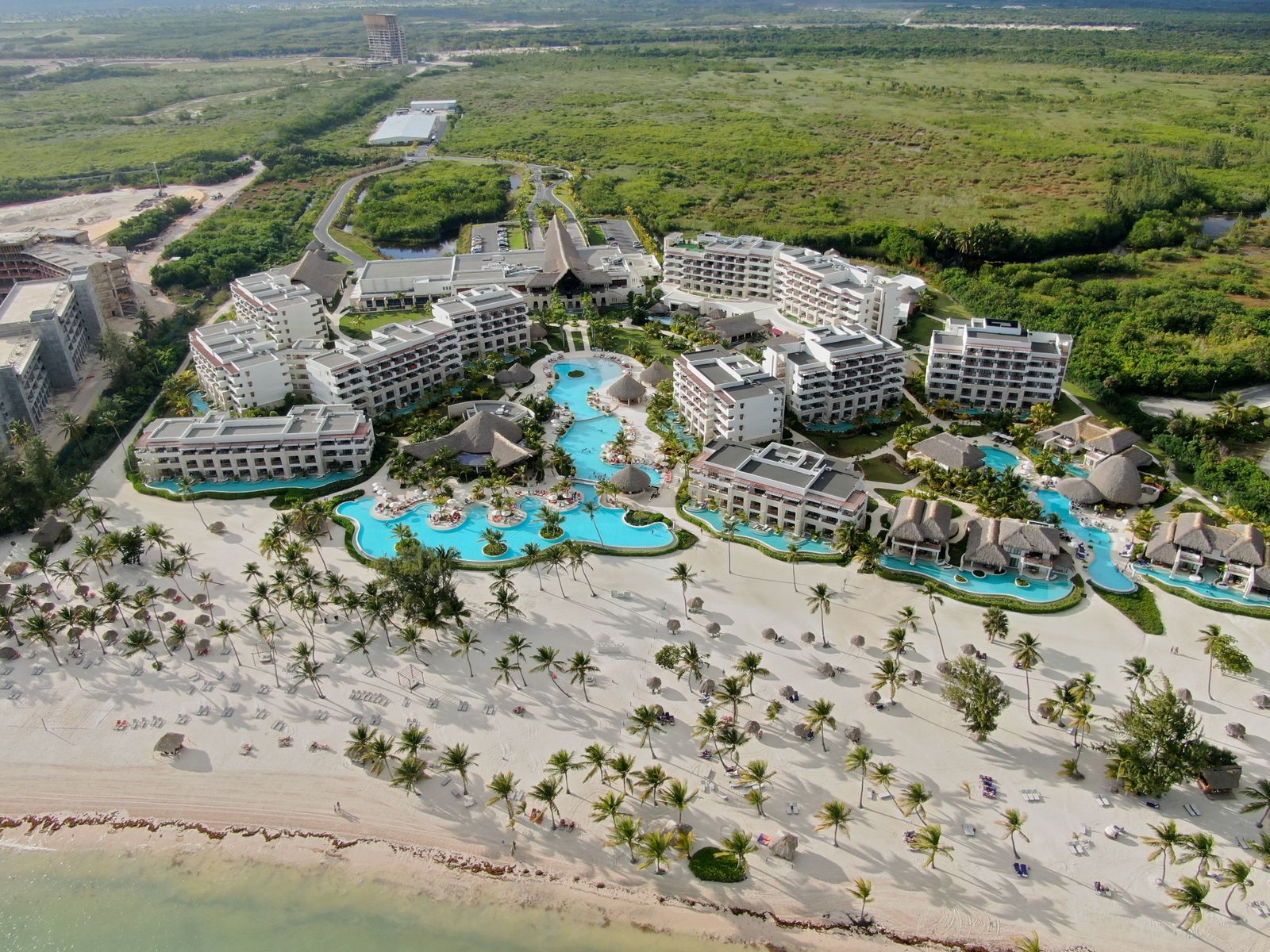 Guanacaste’s newer resort builds integrate infinity pools and Pacific-facing terraces into the hillside terrain.
[Check current rates at Best All-Inclusive Resorts in Costa Rica 2026 →](https://search.hotellook.com/?marker=726889&sub_id=best-all-inclusive-resorts-costa-rica-2026&destination=Best All-Inclusive Resorts in Costa Rica 2026){rel=“nofollow sponsored”}
Flight-plus-package bundling merits comparison. San José’s competitive flight market sometimes yields package pricing below independent booking, but Liberia’s limited flight volume inverts this. If your property is Guanacaste-accessible, price both SJO and LIR flight options with corresponding transfer costs before committing.
What we’d actually do
-
Arrive a day early in San José, stay at a boutique hotel near Escazú, and book the morning Irazú Volcano crater tour before resort transfer. The altitude adjustment helps; the contrast between urban Costa Rica and resort bubble makes both more legible; and volcano visibility is statistically best before 10 AM.
-
Book the resort’s “adventure package” for days 2-3, not days 1-2. Jet lag recovery matters. The first full day should be poolside with no scheduled departure times. Days 2-3, when circadian adaptation peaks, are optimal for the 6 AM wildlife excursion departures that deliver actual sightings.
-
Request the specific “second floor, southern wing” room category at Pacific properties, even if the booking engine defaults to “ocean view guarantee.” Our site inspections found these rooms trade 10% view obstruction for 40% better cross-ventilation and significantly reduced air conditioning noise.
-
Exit the resort for one dinner, even at all-inclusive properties. The nearest sodas or independent restaurants reveal pricing context—your $200 dinner equivalent costs locals $12—and ground the experience in actual place rather than tourism enclave. Papagayo-adjacent: try the fishing village of Potrero, 20 minutes by resort-arranged taxi.
Verdict
Book if: Your couple dynamic prioritizes shared activity over shared leisure; you’re comfortable with itinerary planning and minor friction; you’ve experienced multiple Sandals properties and seek differentiation rather than replication; your travel dates fall outside Caribbean hurricane season and you want weather reliability; or the specific “Costa Rica” identity—howler monkeys, cloud forest mist, Pacific surf crash—carries intrinsic appeal beyond generic tropical beach.
Skip if: You value service consistency above ecological novelty; you want minimal decision-making during vacation; your physical mobility limits steep terrain or uneven paths; you require reliable calm-water swimming from your suite; or you’re booking a first all-inclusive experience and would benefit from Sandals’ more structured onboarding.
The honest review: Costa Rica isn’t Sandals’ missing piece. It’s a different puzzle. The couples who thrive here are often Sandals graduates, not Sandals seekers—those who’ve learned what they need from all-inclusive structure and now want to test what they can handle without it.
FAQ
What is the best all-inclusive resort in Costa Rica for honeymooners?
Properties in the Papagayo Peninsula region offer the most polished honeymoon infrastructure—private plunge pools, couples’ spa packages, and helicopter transfer options—but expect less “packaged” romance than Sandals provides. For genuine seclusion, consider Caribbean-side eco-lodges with limited room counts and naturalist-guided private excursions.
Does Costa Rica have any Sandals resorts?
No. Sandals operates exclusively in the Caribbean and Bahamas. The nearest Sandals properties to Costa Rica are Sandals Dunn’s River in Jamaica and Sandals Grenada, both requiring 3-4 hour flights from San José with connections through Panama or Miami.
Is Costa Rica safe for couples traveling all-inclusive?
Resort zones in Guanacaste and established Caribbean destinations have security profiles comparable to Sandals’ Caribbean locations. The difference is off-property exploration: Costa Rica’s infrastructure invites more independent travel, which requires standard urban awareness in San José and caution with road conditions in remote areas. Resort staff provide reliable guidance for specific current conditions.
What should I pack for a Costa Rica all-inclusive that differs from Caribbean packing?
Rain gear for green season or Caribbean-side travel; hiking shoes with actual tread for property trails and excursion access; more insect repellent than Caribbean equivalents; and layers for altitude excursions that depart from 90°F beach properties. The “resort evening” dress code is generally less formal than Sandals’ “resort evening” categories.
Are the all-inclusive drinks and meals comparable to Sandals quality?
Drinks: generally simpler cocktail programs, less premium spirit brand inclusion at base rates, and more local beer emphasis. Meals: fresher local ingredients with more menu variability, but less consistent execution and narrower international cuisine range. The “best” culinary experience at a Costa Rica property often exceeds Sandals’ median; the worst falls further below.